

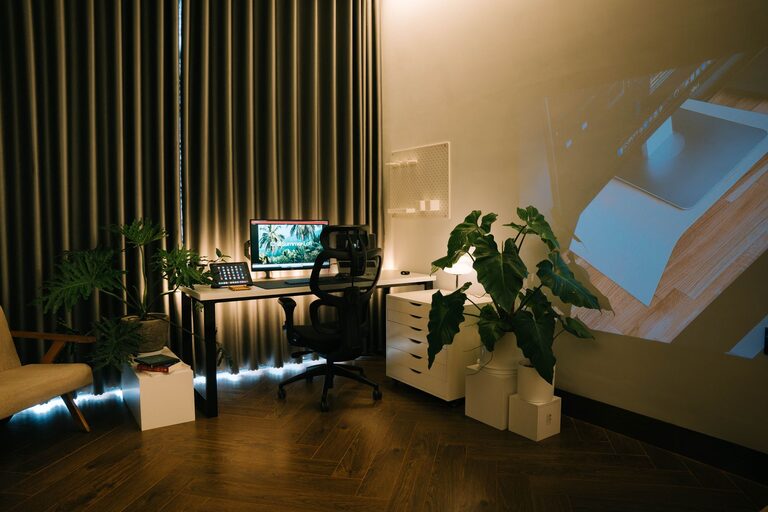
Creating a relaxing home workspace is essential for maintaining focus, reducing stress, and improving overall productivity. With more people working remotely, the need for a comfortable, calm area dedicated to work has never been greater. In this post, we’ll explore practical steps to help you design a workspace that not only looks inviting but also fosters a relaxed and efficient work environment.
Why a Relaxing Workspace Matters
When your workspace feels cluttered or uncomfortable, it can increase stress and make it harder to concentrate. On the other hand, a serene and organized area helps calm your mind, encourages creativity, and allows you to work with ease. By intentionally shaping your home office, you’re investing in your well-being and work performance.
Step 1: Choose the Right Location
Consider Natural Light
Pick a spot with plenty of natural light. Sunlight helps regulate your circadian rhythm, improving mood and alertness. If natural light is limited, choose a place where you can add soft, warm lighting to mimic daylight.
Minimize Distractions
Ideally, select a quiet corner or room away from high-traffic areas. This helps reduce noise and interruptions, allowing you to focus better on your tasks.
Step 2: Invest in Comfortable, Functional Furniture
Ergonomic Chair and Desk
Choose a chair that supports good posture to avoid discomfort during long hours. A desk at the right height prevents strain, ensuring you stay comfortable throughout the day.
Use Adjustable Equipment
Adjustable monitor stands or laptop risers can help position your screen at eye level, reducing neck and eye strain. Consider a keyboard and mouse that fit your hand size and working style.
Step 3: Create an Organized and Clutter-Free Space
Declutter Regularly
Keep only essential items on your desk. Remove unnecessary papers, gadgets, and decorations to maintain a tidy and inviting environment.
Use Storage Solutions
Shelves, drawers, and organizers help keep supplies in order and out of sight. Clear containers or labeled boxes make it easy to find what you need quickly.
Step 4: Introduce Calming Colors and Decor
Choose Soothing Colors
Soft blues, greens, or neutral tones create a peaceful atmosphere that lowers stress levels. Avoid overly bright or harsh colors that might cause distraction or agitation.
Add Personal Touches
Incorporate a few meaningful items like family pictures, plants, or artwork that inspire and relax you without cluttering the space.
Step 5: Bring in Nature
Indoor Plants
Plants improve air quality and add a refreshing natural element. Low-maintenance options like succulents, snake plants, or pothos are great choices.
Natural Elements
Use wooden furniture or decorations made from natural materials to give your workspace warmth and texture.
Step 6: Manage Lighting Effectively
Layered Lighting
Combine ambient, task, and accent lighting to balance brightness. Ambient light provides overall illumination, task lighting helps with focused work, and accent lighting adds mood.
Avoid Glare
Position monitors and work surfaces to reduce glare from windows or lights. Adjustable blinds or curtains can help control the amount of sunlight entering your space.
Step 7: Incorporate Relaxation Techniques
Use Aromatherapy
A subtle diffuser with essential oils like lavender or eucalyptus can promote relaxation and concentration.
Play Soft Background Music
Instrumental or nature sounds create a calming background that can help drown out distracting noises.
Step 8: Maintain Healthy Habits
Take Breaks
Set reminders to stretch or step away from your desk regularly. Short breaks improve circulation and refresh your mind.
Personal Comfort Items
Keep water nearby to stay hydrated and use a cozy blanket or cushion for comfort if needed.
Final Thoughts
Designing a relaxing home workspace doesn’t have to be complicated or costly. By selecting a thoughtful location, investing in comfort, keeping things organized, and adding calming elements, you can create an environment that supports both productivity and well-being. Start with small changes and adjust as you discover what helps you feel most at ease and focused in your work.
With a peaceful workspace, your home office becomes a place you look forward to spending time in — making your remote work experience more enjoyable and effective.